

Hormuz Flashpoint Pushes Oil Above $100, Raising Global Trade and India Risk Concerns
A United States–led naval blockade targeting Iranian maritime routes has significantly raised geopolitical tensions around the Strait of Hormuz one of the world’s most strategically vital energy chokepoints. The move signals a dramatic escalation in pressure on Tehran, while simultaneously amplifying risks across global energy markets, shipping corridors, and financial systems.
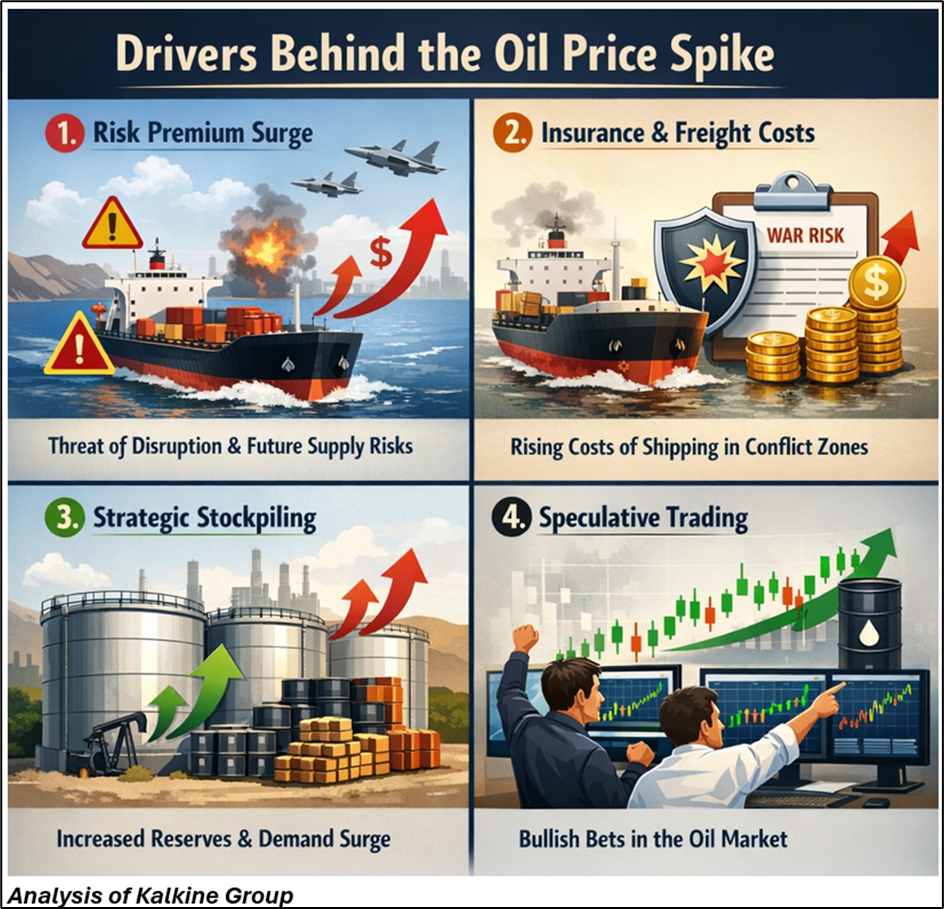
Markets reacted swiftly. Oil prices surged past the psychologically critical $100-per-barrel threshold, reflecting fears of supply disruption rather than confirmed shortages. Freight insurance premiums jumped, tanker routes were reassessed, and commodity traders began pricing in geopolitical risk premiums.
However, beyond the immediate price shock, the broader concern lies in the cascading effects higher inflation, trade disruptions, and fiscal strain particularly for major energy-importing economies such as India.
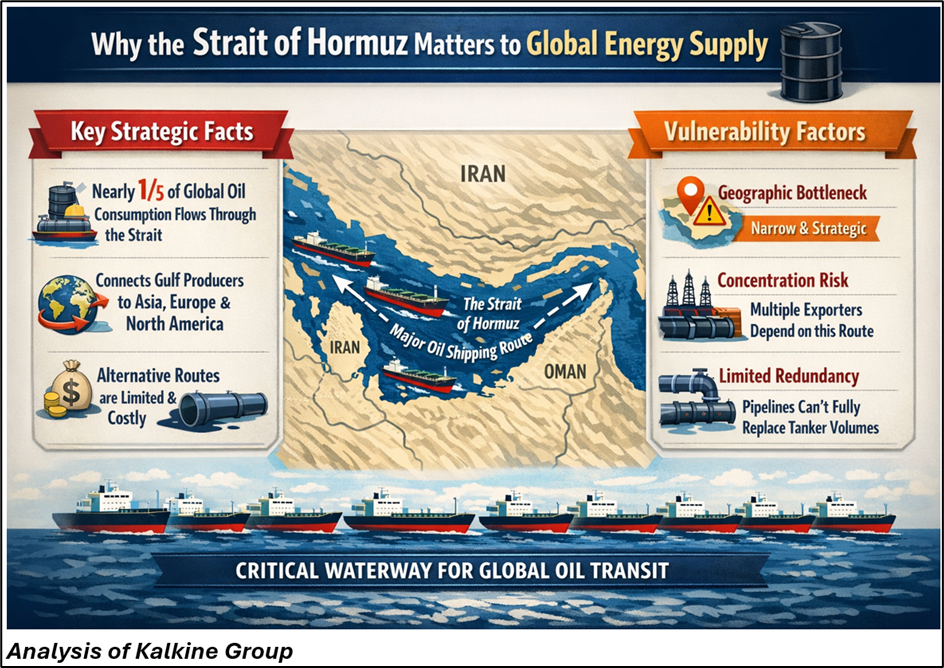
Why the Strait of Hormuz Matters to Global Energy Supply?
The Strait of Hormuz is not just a regional shipping passage it is one of the most critical arteries in the global energy system.
Oil Prices Above $100: Fear Premium or Supply Shock?
The surge in crude prices above $100 per barrel reflects a mix of supply fears and speculative positioning rather than confirmed supply collapse.
Enforcement Challenges and Legal Complexity
While the announcement of a blockade is dramatic, enforcement presents serious operational and legal challenges.
Key Constraints
- International Maritime Law- Blockades in international waterways face scrutiny under global legal frameworks.
- Multinational Interests- Many nations rely on uninterrupted transit through the Strait, making unilateral enforcement contentious.
- Risk of Escalation- Direct naval confrontation could significantly widen the conflict.
These factors introduce uncertainty regarding how aggressively the blockade will be implemented and how Iran may respond.
India’s Strategic Vulnerability: A High-Exposure Importer
India stands among the economies most sensitive to prolonged oil disruptions.
Why Is India Exposed?
- Heavy Import Dependence- India imports a substantial portion of its crude oil requirements, making price spikes immediately impactful.
- Energy-Driven Inflation Risks- Higher crude prices translate into increased transportation, manufacturing, and logistics costs.
- Fiscal Pressure Risks- Government budgets face strain through fuel subsidies and inflation-control measures.
Conclusion: A Strategic Flashpoint with Global Economic Consequences
The escalation around the Strait of Hormuz underscores how geopolitical tensions can rapidly translate into economic risk across global markets. While the immediate surge in oil prices reflects heightened uncertainty rather than confirmed supply loss, the broader threat lies in prolonged disruption and potential escalation.
For energy-importing nations such as India, the situation presents a dual challenge managing rising import costs while maintaining inflation stability and fiscal discipline. Any sustained disruption to shipping routes or supply chains could intensify macroeconomic pressures, weaken currency stability, and strain industrial margins.
Globally, the episode reinforces the strategic importance of diversified energy sourcing, stronger strategic reserves, and resilient supply-chain infrastructure. As geopolitical tensions remain fluid, markets are likely to stay sensitive to military developments, diplomatic negotiations, and shipping security dynamics. In the near term, volatility rather than stability is expected to define the outlook for oil markets, trade flows, and investor sentiment.
FAQs
- Why is the Strait of Hormuz so important to global oil markets?
The Strait of Hormuz is one of the world’s most critical energy chokepoints, handling a significant share of global crude oil shipments. Any disruption in this narrow waterway can restrict supply flows, increase shipping risks, and cause rapid price volatility across global energy markets.
- How could a blockade impact oil prices and global trade?
A blockade increases shipping risks, insurance premiums, and transit delays, which collectively raise the cost of transporting crude oil. Even without actual supply shortages, perceived risks can drive oil prices higher, disrupt trade routes, and increase inflationary pressures across global economies.
- What are the potential economic implications for India?
India’s heavy reliance on imported crude oil makes it particularly vulnerable to price spikes. Higher oil prices can increase fuel costs, widen the trade deficit, pressure the rupee, and contribute to inflation, affecting transportation, manufacturing, and consumer spending across the economy.