

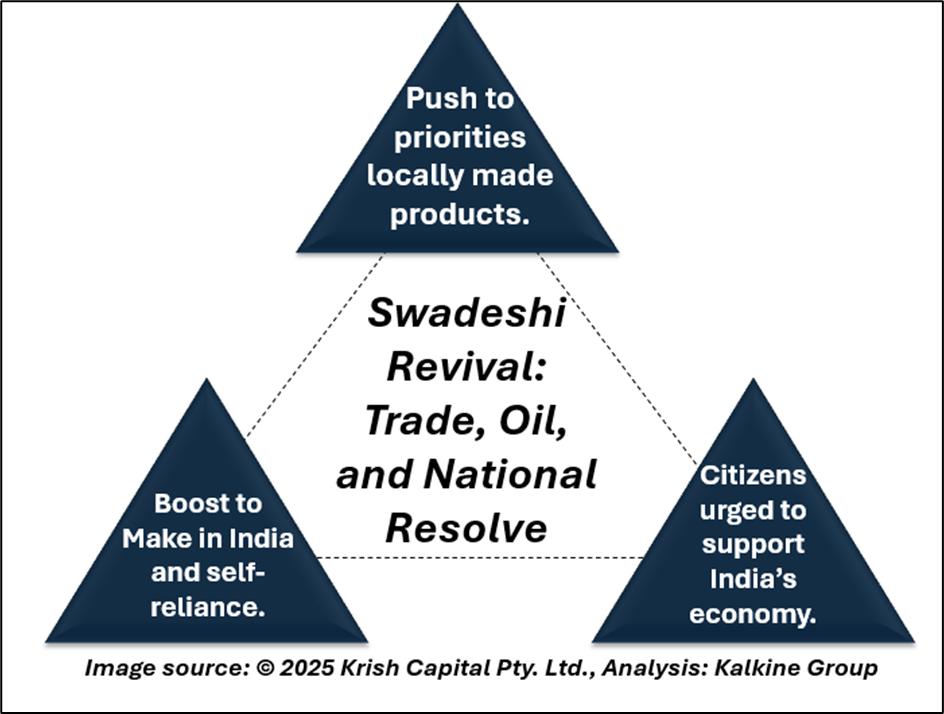
During a recent rally in Uttar Pradesh, Prime Minister Narendra Modi urged citizens to support homegrown products and uphold national interests as tensions with the United States escalate. His remarks came shortly after former U.S. President Donald Trump imposed a 25% tariff on Indian exports and threatened further actions unless India reduces its oil imports from Russia.
Modi remarked that the world frugality is scuffling with volatility and unpredictability. “When we make purchases, there should be one guiding principle we must choose goods made with the hard work of Indian hands.”
India remains the top importer of Russian seaborne crude, taking advantage of blinked rates due to Western warrants. still, U.S. officers are decreasingly interpreting these purchases as circular support for Russia’s military sweats in Ukraine.
Strategic Defiance
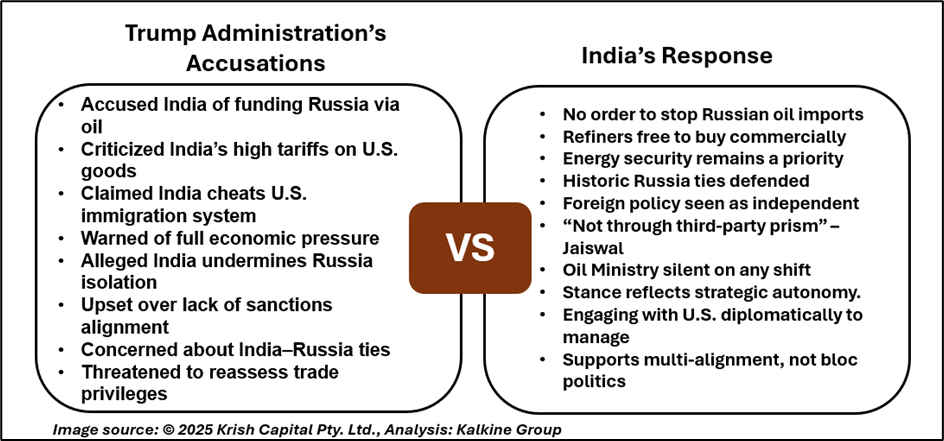
Despite warnings from the U.S. and the recent implementation of tariffs, the Modi government has not directed Indian refiners to stop importing Russian oil. According to Bloomberg sources, both public and private refiners retain the autonomy to procure crude based on commercial considerations. The Ministry of Petroleum has not commented on the matter, suggesting that no conclusive decision has been made yet.
At the same time, the Trump administration has taken aim at India for persisting with Russian oil imports and keeping elevated tariffs on U.S. goods. In response, India underscored its need to safeguard energy security and highlighted its historic relationship with Russia, reaffirming that its foreign policy decisions are independent and not influenced by external pressures.
Trade Fallout
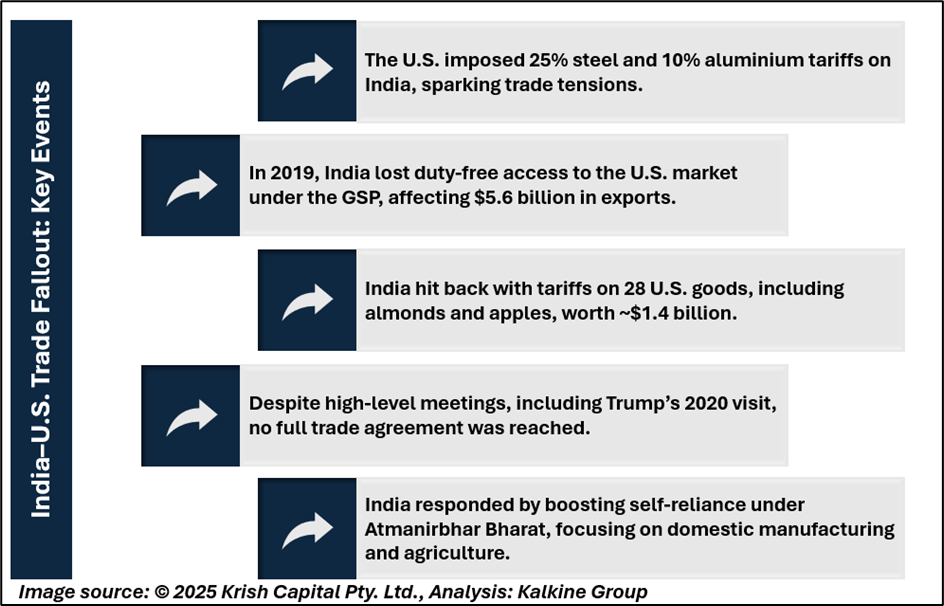
India’s economic growth faces fresh headwinds due to the new tariff measures imposed by former U.S. President Donald Trump. The 25% duty on Indian exports poses a significant threat to outbound trade, particularly during a period of weakening global demand. Historically, such protectionist policies have undermined India’s export competitiveness, especially in core sectors like textiles, pharmaceuticals, and engineering goods.
This includes a stronger focus on boosting domestic manufacturing across sectors like agriculture, dairy, and small-scale enterprises. The government has also taken a firm stance on protecting domestic interests, signaling that market access—particularly in sensitive areas like agriculture will not be granted without careful consideration.
Conclusion:
India's firm stance amid rising U.S. pressure reflects its commitment to economic self-reliance and strategic autonomy. As trade tensions escalate, the Modi government is doubling down on localisation and energy security, signalling that national interests will take precedence over external demands in shaping its economic and foreign policy decisions.