

India Moves Forward with Ambitious Fighter Jet Modernization Plan
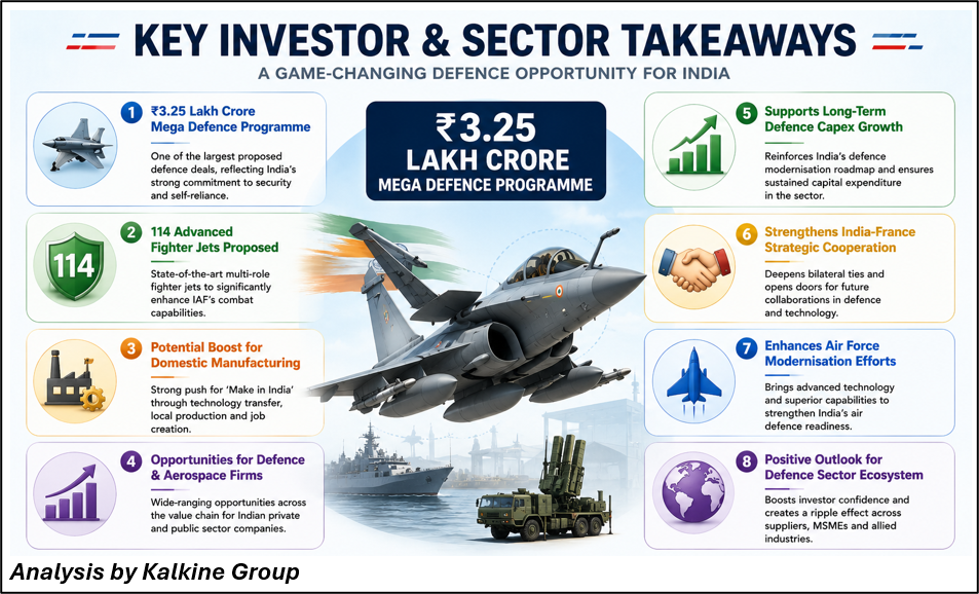
India has taken a significant step toward strengthening its air combat capabilities by formally initiating the process for the acquisition of 114 advanced fighter aircraft from France. The proposed programme, estimated at approximately ₹3.25 lakh crore, represents one of the largest military aviation projects ever undertaken by the country and reflects New Delhi’s long-term commitment to modernising the Indian Air Force (IAF).
The development marks an important milestone in India’s efforts to address evolving security challenges while maintaining technological superiority in the region. With the IAF seeking to enhance its operational readiness and replace ageing aircraft, the proposed acquisition is expected to play a crucial role in shaping India’s future air power capabilities.
Strengthening the Indian Air Force
Over the past decade, the Indian Air Force has focused on upgrading its fleet to meet modern warfare requirements. Several legacy aircraft are approaching retirement, creating the need for next-generation fighter platforms capable of operating across a wide range of mission profiles.
The proposed acquisition of 114 fighter jets is expected to significantly enhance the force’s operational strength, improve squadron availability, and support long-term defence preparedness. Advanced multirole aircraft provide flexibility across air superiority, ground attack, reconnaissance, and strategic deterrence missions, making them a key component of modern military strategy.
A Strategic Partnership with France
Defence cooperation between India and France has deepened considerably over the years, extending beyond equipment purchases to include technology collaboration, training, and industrial partnerships. The latest proposal underscores the growing strategic relationship between the two nations and their shared focus on defence and security cooperation.
The programme is expected to involve extensive discussions covering aircraft configuration, technology transfer, maintenance support, training infrastructure, and long-term operational requirements. Such collaborations can strengthen India’s defence ecosystem while fostering greater technological capabilities within the country.
Potential Boost for Domestic Defence Manufacturing
A key focus of India’s defence acquisition strategy has been increasing indigenous manufacturing and reducing dependence on imports. Industry observers expect the proposed fighter programme to include significant participation from Indian companies through local production, component manufacturing, maintenance activities, and supply-chain development.
Such an approach could generate opportunities for domestic aerospace firms, engineering companies, defence equipment manufacturers, and specialised technology providers. The initiative aligns with India’s broader vision of developing a self-reliant defence industrial base and expanding domestic capabilities in advanced manufacturing.
Economic and Industrial Impact
Beyond its military significance, a programme of this scale has the potential to create substantial economic benefits. Large defence projects often support investments in infrastructure, technology, research and development, skill enhancement, and employment generation.
The aerospace sector stands to benefit from increased localisation efforts, which can help build long-term expertise in advanced engineering and precision manufacturing. As India continues to position itself as a global defence manufacturing hub, such projects can contribute to the growth of the broader industrial ecosystem.
Implications for the Defence Sector
The proposed acquisition highlights the government’s continued emphasis on military modernisation amid an evolving geopolitical landscape. Rising defence expenditure, greater focus on indigenous production, and sustained procurement activity are creating favourable conditions for India’s defence industry.
Companies involved in aerospace systems, defence electronics, engineering services, precision components, and military infrastructure could benefit from increased investment across the sector. The programme also reinforces the strategic importance of advanced military technology in ensuring national security and operational preparedness.
Outlook
While the acquisition process is expected to involve extensive evaluations and negotiations before a final contract is signed, the formal initiation of discussions signals India’s intent to significantly strengthen its air combat capabilities. The programme has the potential to become a transformative project for the Indian Air Force while supporting the country’s long-term defence and industrial objectives.
As India continues to modernise its armed forces and invest in advanced military technologies, large-scale defence programmes such as this are likely to remain central to the nation’s security strategy and aerospace ambitions.
Frequently Asked Questions (FAQs)
1. Why is India planning to acquire 114 new fighter jets?
The acquisition aims to modernise the Indian Air Force, replace ageing aircraft, improve squadron strength, and enhance operational readiness for future security challenges.
2. How could the programme benefit India’s defence industry?
The project could encourage local manufacturing, technology transfer, supply-chain development, employment generation, and increased participation by Indian defence and aerospace companies.
3. What makes this programme significant?
With an estimated value of around ₹3.25 lakh crore, it is among the largest fighter aircraft procurement initiatives in India’s history and could significantly strengthen the country’s air power capabilities.