

The Government of India has officially extended its inflation targeting framework for another five years, from April 1, 2026, to March 31, 2031. Under the provisions of the Reserve Bank of India Act, 1934, the government, in consultation with the Reserve Bank of India (RBI), has retained the inflation target at 4%, with a tolerance band of 2% to 6%. This move ensures continuity in India’s monetary policy approach and reflects confidence in the existing framework.
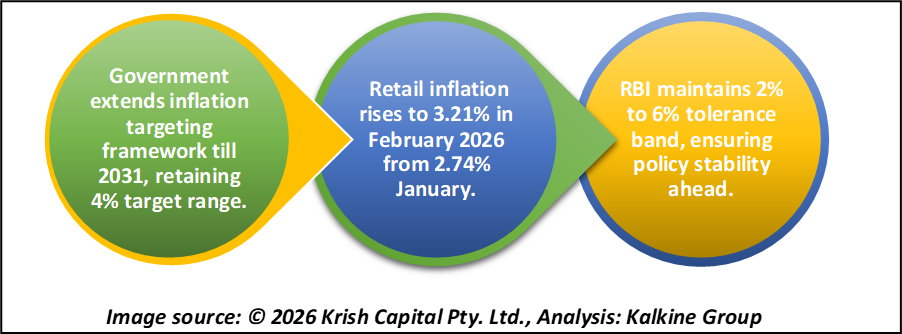
The decision comes at a time when inflation in India remains relatively stable. According to the latest data for February 2026, retail inflation rose slightly to 3.21%, compared to 2.74% in January. While this indicates a moderate increase in price pressures, inflation is still comfortably within the RBI’s target range. This stability provides reassurance to policymakers and investors that the economy is not facing immediate inflationary stress.
Food Prices Bring Relief Amid Mixed Trends
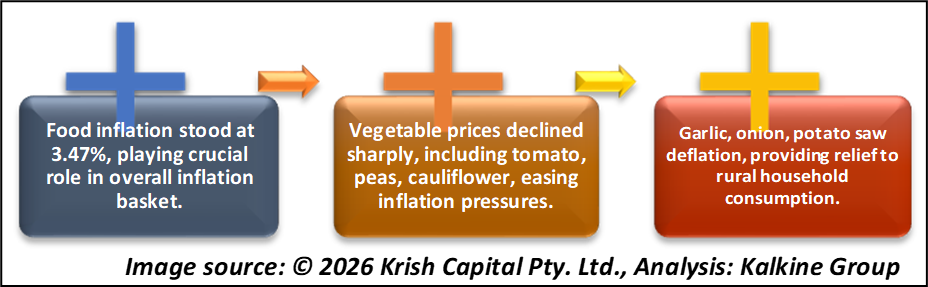
A closer look at the data reveals that food inflation, which plays a crucial role in India’s overall inflation basket, stood at 3.47%. However, the trend within food prices has been mixed. Prices of key vegetables such as tomato, peas, and cauliflower declined sharply on a monthly basis, helping to contain overall inflation. At the same time, some essential items like garlic, onion, and potato experienced deflation, meaning their prices actually fell. This has provided relief to households, especially in rural areas where food constitutes a larger share of consumption.
Uneven Inflation Pressures
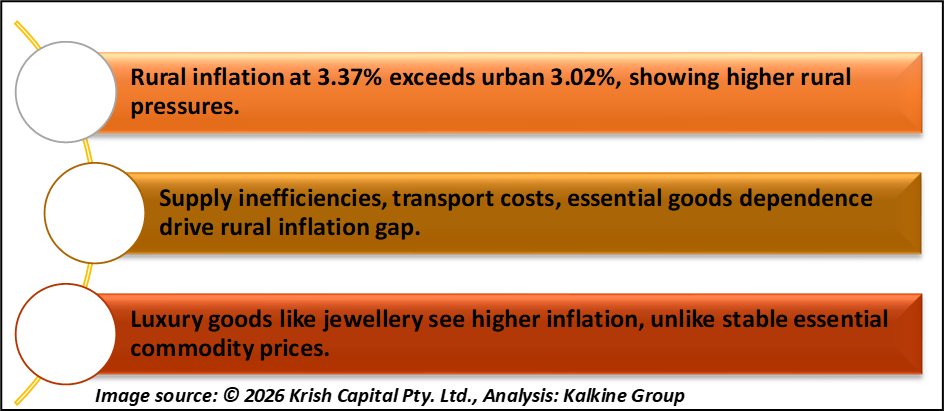
Despite this, inflation trends differ between rural and urban regions. Rural inflation was recorded at 3.37%, higher than urban inflation at 3.02%. This gap suggests that rural consumers continue to face relatively higher price pressures. Factors such as supply chain inefficiencies, transportation costs, and dependence on essential goods may be contributing to this difference.
Another notable trend is the sharp rise in prices of luxury items, particularly jewellery. While essential commodities have seen stable or declining prices, luxury goods have experienced significantly higher inflation. This divergence highlights that inflation is not uniform across sectors and depends heavily on demand patterns and global factors.
Conclusion
The extension of the inflation target framework signals policy stability and predictability. By maintaining the same target range, the RBI can continue focusing on balancing inflation control with economic growth. Since current inflation is below the 4% target, the central bank may have room to adopt growth-supportive measures if required, such as adjusting interest rates.
India’s inflation environment appears stable, supported by controlled food prices and effective policy measures. However, sector-specific volatility and rural price pressures remain areas to watch. The continuation of the inflation targeting framework until 2031 provides a strong foundation for sustained economic stability, while allowing flexibility to respond to changing economic conditions.