
Highlights
- Shipping Costs Spike: Freight rates rise sharply as vessels reroute due to regional tensions.
- Fuel Supply Stress: LPG shortages disrupt production processes in export-linked manufacturing units.
- Logistics Bottlenecks: Container delays and cancellations slow shipments from eastern ports.
Rising Freight Costs Pressure Export Logistics
Export activity from eastern India has come under strain as shipping costs increased significantly amid disruptions linked to the ongoing West Asia crisis. Changes in maritime routes and security-related surcharges have added to transportation expenses, affecting exporters dependent on global markets.
Industry participants indicated that shipments to major destinations such as Europe and the United States have become more expensive due to longer transit routes and increased operational risks. Rerouting through extended pathways has led to higher fuel consumption and additional insurance-related charges, raising the overall cost of freight movement.
The surge in freight expenses has created uncertainty around shipment planning, with exporters facing difficulty in forecasting transportation costs and delivery schedules. Many businesses are reviewing shipment timelines as they assess the evolving global situation.
Port Delays Add to Operational Challenges
Logistical disruptions have also affected port operations in eastern India, particularly at major shipping hubs. Exporters have reported delays in cargo movement, with containers facing prolonged waiting periods due to reduced shipping availability.
Limited vessel capacity and unexpected schedule changes have forced exporters to hold back shipments or postpone dispatches. Some consignments that were prepared for export were returned or delayed due to last-minute cancellations from shipping operators.
Such disruptions have created congestion at ports and increased storage-related costs for exporters. The uncertainty surrounding cargo movement has led businesses to adopt cautious scheduling strategies while monitoring developments in international shipping routes.
LPG Shortage Disrupts Manufacturing Processes
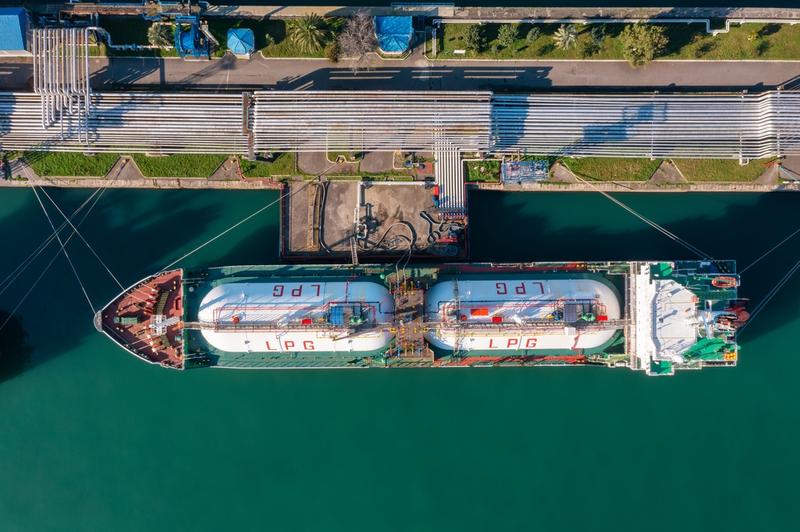
Apart from freight-related challenges, shortages of liquefied petroleum gas (LPG) have created additional hurdles for manufacturers involved in export production. LPG is widely used in industrial finishing processes, particularly in sectors such as engineering goods manufacturing.
Reduced LPG availability has slowed production cycles in several units, affecting the ability of exporters to complete orders within scheduled timelines. In some cases, output levels have declined due to interruptions in fuel supply required for operational processes.
The combined impact of higher logistics costs and reduced production efficiency has placed pressure on export operations, particularly for businesses dependent on continuous manufacturing activity.
Export Volumes See Noticeable Decline
The cumulative impact of freight escalation, container shortages, and fuel supply issues has resulted in reduced export volumes across multiple industries in eastern India. Businesses reported a sharp decline in shipment levels compared to typical seasonal trends.
March is generally considered a peak export period, but ongoing disruptions have altered expected shipment cycles. Engineering goods and textile segments have been among the sectors facing delays, as both rely on stable logistics and consistent production output.
Exporters are increasingly focusing on managing inventory levels and adjusting delivery commitments while awaiting improvements in freight availability and fuel supply conditions.
FAQs
- Why are freight costs rising for exporters in eastern India?
Freight costs increased due to longer shipping routes, added insurance charges, and limited vessel availability caused by regional tensions. - How does LPG shortage affect export production activities?
LPG shortages interrupt industrial finishing processes, slowing production cycles and delaying completion of export orders across manufacturing units. - Which industries are affected by the export disruptions in eastern India?
Engineering goods and textile industries are among the most affected due to reliance on steady logistics and uninterrupted manufacturing processes.