

Highlights
- Reward points deliver greater value when redeemed strategically.
- Card benefits often extend beyond cashback and reward points.
- Poor redemption choices can reduce overall rewards value significantly.
Credit cards have evolved beyond simple payment tools and now offer a variety of rewards, including cashback, loyalty points, travel benefits, airport lounge access, and merchant discounts. While many consumers actively collect rewards through regular spending, a significant number fail to maximize the value of these benefits.
The difference often lies not in how many points are earned but in how effectively they are redeemed. Understanding reward structures, redemption options, and card-specific benefits can help cardholders extract greater value from everyday spending while avoiding common mistakes.
Understanding How Reward Programs Work
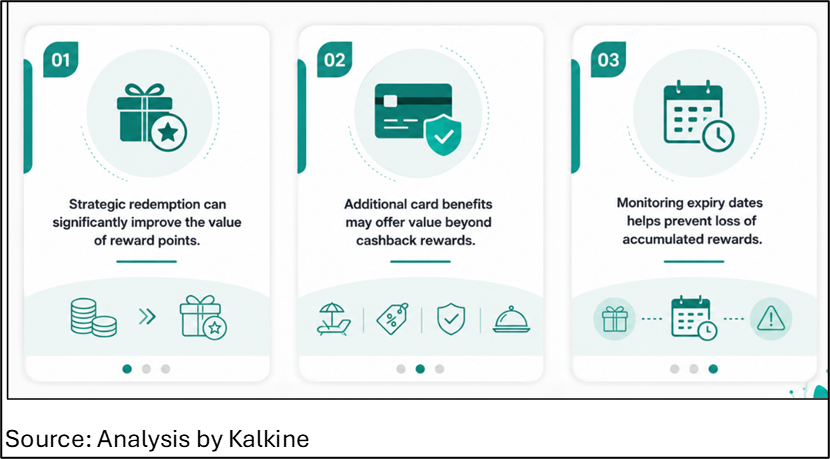
Not All Reward Points Are Equal -Many cardholders assume that every reward point carries the same value. In reality, the redemption value can vary considerably depending on how points are used.
For example, redeeming points for merchandise, vouchers, statement credits, travel bookings, or airline miles may produce different values per point. As a result, two individuals with the same number of points may receive significantly different benefits depending on their redemption choices.
Before redeeming rewards, it is useful to compare available options and calculate the actual value being received.
Match Spending With Reward Categories
Earn More Through Category-Based Spending
Many credit cards offer accelerated rewards on specific spending categories such as:
- Travel bookings.
- Dining expenses.
- Online shopping.
- Fuel purchases.
- Utility bill payments.
Using the appropriate card for eligible spending categories can increase reward accumulation without increasing overall expenditure.
Consumers who use a single card for every transaction may miss opportunities to earn higher rewards available through category-specific benefits.
Do Not Ignore Expiry Dates
Unused Points Can Lose Value
One of the most common mistakes is allowing reward points to expire before redemption.
Many issuers impose validity periods on accumulated rewards. Cardholders who fail to monitor their points balance may lose benefits that took months or years to accumulate.
Regularly reviewing reward statements and redemption deadlines can help prevent unnecessary loss of value.
Explore Benefits Beyond Reward Points
Hidden Benefits May Offer Additional Value
Credit card rewards often extend beyond points and cashback programmes.
Depending on the card, additional benefits may include:
- Airport lounge access.
- Travel insurance coverage.
- Complimentary hotel benefits.
- Dining discounts.
- Movie ticket offers.
- Concierge services.
- Golf privileges.
Many cardholders focus exclusively on reward points while overlooking these supplementary benefits. Reviewing the complete benefits package can reveal additional value that may already be available without extra cost.
Redeem Strategically Instead Of Immediately
Timing Can Matter - Some consumers redeem rewards as soon as points become available. While this approach provides immediate gratification, it may not always generate the highest value.
Certain redemption options, promotional campaigns, or transfer partnerships may offer improved conversion rates at specific times. Waiting for favourable redemption opportunities can sometimes increase the value received from the same reward balance.
However, this strategy should be balanced against the risk of points expiry.
Watch Out For Redemption Charges
Rewards Are Not Always Free - Some redemption methods may involve processing fees, convenience charges, or minimum redemption thresholds.
These costs can reduce the effective value of rewards. Before redeeming points, cardholders should review any associated charges and compare the net benefit across available options.
A reward redemption that appears attractive initially may become less valuable once fees are considered.
Avoid Overspending For Rewards
Rewards Should Be A By-Product Of Spending - One of the biggest misconceptions surrounding reward programmes is the belief that earning more points justifies additional spending.
Financial planners often caution that unnecessary purchases made solely to accumulate rewards can negate the value of those rewards. The cost of acquiring extra points may exceed the benefit ultimately received.
Consumers should focus on earning rewards through planned and necessary expenses rather than adjusting spending behaviour to chase points.
Evaluate Whether Your Card Still Fits Your Needs
Spending Patterns Change Over Time - A card that delivered excellent value several years ago may no longer align with current spending habits. Changes in travel frequency, lifestyle, income, family circumstances, or shopping preferences can affect the usefulness of a reward programme. Periodic reviews can help cardholders determine whether their existing card continues to provide meaningful benefits.
In some cases, switching to a card better aligned with current spending patterns may improve overall reward outcomes.
Making Rewards Work Harder
Maximising credit card rewards does not necessarily require higher spending. Instead, it often involves understanding reward structures, choosing the right redemption options, monitoring expiry dates, and taking advantage of available card benefits.
Consumers who regularly review their reward programmes and spending habits are generally better positioned to extract meaningful value from their cards while avoiding unnecessary costs.
Key Risks
- Reward points may expire if not redeemed on time.
- Overspending to earn rewards can increase financial pressure.
- Poor redemption choices may reduce rewards value.
- Fees and charges can offset reward benefits.
Summary
Credit card rewards can provide meaningful benefits when used strategically. Maximising value involves understanding redemption options, matching spending with reward categories, monitoring point expiry dates, and taking advantage of additional card privileges. Cardholders should also avoid overspending solely to earn rewards and periodically review whether their reward programme aligns with current spending habits. Effective reward management can help consumers extract greater value from everyday transactions.
FAQs
Q: What is the biggest mistake credit card users make with rewards?
A: Allowing points to expire or redeeming them through low-value options often reduces overall reward benefits.
Q: Should consumers spend more to earn additional reward points?
A: No, rewards should result from planned spending rather than unnecessary purchases made solely to earn points.
Q: Are cashback rewards always better than reward points?
A: Not necessarily. The better option depends on redemption value, spending habits, and available card benefits.