

Record May Imports Reflect India’s Expanding Energy Diversification Strategy
India’s crude oil imports are likely to reach record levels in May 2026, supported by significantly higher purchases from Russia and Venezuela as refiners continue to optimize sourcing strategies amid evolving global energy dynamics.
According to commodity analytics firm Kpler, India’s total crude imports increased nearly 11% month-on-month during May. Russian crude imports rose around 23% to nearly 1.9 million barrels per day (bpd), compared with approximately 1.57 million bpd in April. Venezuela also emerged as a major contributor, supplying nearly 303,000 bpd during the month.
The sharp rise highlights India’s continued focus on securing competitively priced crude while strengthening long-term supply diversification.
Russian Oil Continues to Dominate Import Mix
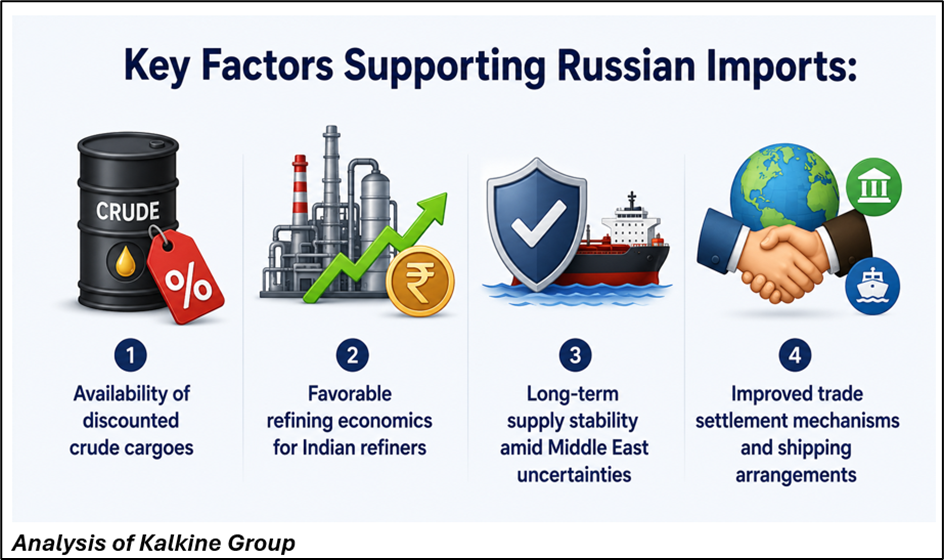
Russia remained India’s largest crude supplier during May, driven primarily by attractive pricing and stable supply availability.
Indian refiners have continued to increase purchases of discounted Russian crude since the beginning of the Russia-Ukraine conflict, enabling companies to manage input costs more efficiently despite ongoing geopolitical uncertainties and Western sanctions.
The higher intake of Russian crude also reflects refiners’ preference for cost-effective feedstock amid fluctuating global refining margins and uncertain demand trends across international energy markets.
Venezuela Re-Emerges as a Key Supplier
Venezuela became India’s fourth-largest oil supplier in May, reflecting renewed interest in heavier crude grades from Latin America.
Indian refiners with advanced refining infrastructure are capable of processing heavy and high-sulfur crude efficiently, allowing them to benefit from lower acquisition costs and potentially stronger refining margins.
The increase in Venezuelan imports also indicates India’s broader strategy of reducing excessive dependence on traditional Middle Eastern suppliers while diversifying sourcing routes across multiple regions.
Industry participants believe Latin American crude could continue gaining importance in India’s import basket if pricing remains favorable.
Geopolitical Risks Driving Supply Diversification
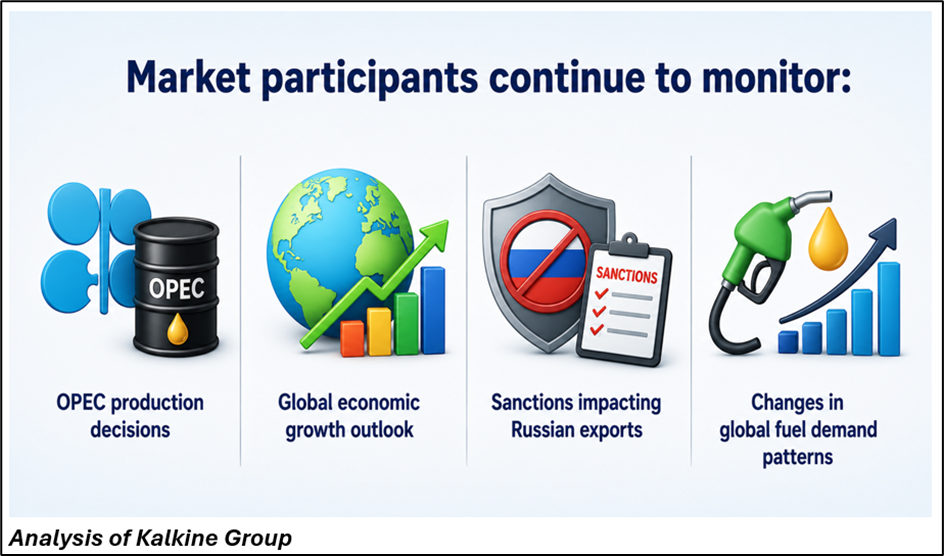
Global geopolitical uncertainties remain a key driver behind India’s evolving crude procurement strategy.
Concerns surrounding shipping disruptions, tensions in West Asia, and supply risks linked to the Strait of Hormuz have encouraged Indian refiners to expand sourcing from alternative markets including Russia, Venezuela, Africa, and Latin America.
The diversification strategy is aimed at improving supply resilience while minimizing exposure to regional disruptions and price volatility.
Recent import trends indicate that Indian refiners are increasingly adopting flexible procurement models to secure uninterrupted crude availability at competitive prices.
Softer Oil Prices Support Higher Purchases
Moderate global crude prices have further supported India’s higher import volumes during recent months.
Improving supply conditions, easing concerns around global shortages, and relatively softer demand expectations have allowed refiners to increase purchases and build inventories at comparatively favorable price levels.
Implications for India’s Energy Sector
The rise in crude imports may support domestic refining activity and petroleum product exports in the near term.
Refiners capable of processing discounted heavy crude grades could benefit from improved operating economics and stable throughput levels despite global market volatility.
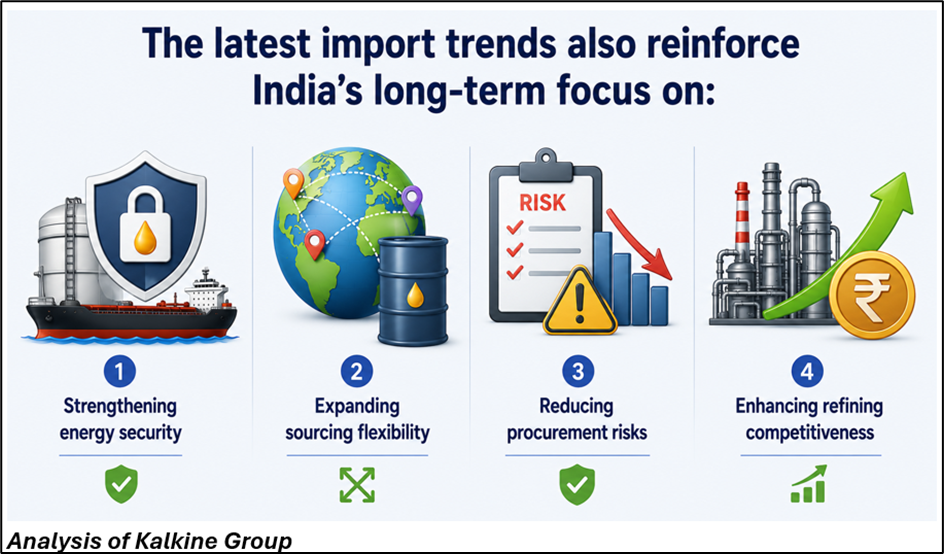
As the world’s third-largest crude importer, India continues to prioritize diversified energy partnerships to support rising domestic fuel demand and long-term economic growth.
Conclusion
India’s rising crude imports from Russia and Venezuela underline a strategic shift toward diversified and cost-efficient energy sourcing. Higher purchases from non-traditional suppliers reflect refiners’ efforts to strengthen supply security, optimize refining economics, and manage geopolitical risks. The evolving import mix could further enhance India’s energy resilience amid continued uncertainty in global oil markets.