

Systematic Investment Plans (SIPs) have become one of the most widely discussed investment approaches among Indian retail investors.
In recent years, growing financial awareness, digital investment platforms, and increasing participation from younger investors have contributed to the rising popularity of SIP investing in India.
Many investors frequently search online to understand how disciplined monthly investing may contribute toward long-term wealth creation, financial planning, and portfolio growth.
SIP investing is often associated with financial discipline, long-term investing behaviour, and the potential benefits of compounding over extended investment horizons.
However, investment outcomes may vary depending on market conditions, investment duration, fund performance, asset allocation, and broader economic factors.
This article explains SIP investing, how it works, important factors investors may consider, common mistakes to avoid, potential benefits, risks, and key aspects of long-term wealth creation.
Key Takeaways
- SIPs allow investors to invest fixed amounts regularly into mutual funds.
- SIP investing may help build financial discipline and reduce emotional investing decisions.
- Long-term investing can potentially benefit from compounding and rupee cost averaging.
- Investment outcomes may depend on market performance, asset allocation, and investment duration.
- Consistency and patience are often considered important aspects of SIP investing.
- SIP investments are subject to market risks and do not guarantee fixed returns.
What Is SIP Investing?
A Systematic Investment Plan (SIP) allows investors to invest a fixed amount regularly into mutual fund schemes, usually on a monthly basis.
Instead of investing a large lump sum amount at one time, SIPs allow investors to invest gradually over longer periods.

SIPs are commonly used for long-term financial planning purposes such as retirement planning, child education, wealth creation, and major life goals.
Why SIP Investing Has Gained Popularity in India
SIP investing has witnessed increasing participation across India due to several factors.
- Growing Financial Awareness
Rising awareness about personal finance and long-term investing has encouraged more individuals to explore mutual fund investments through SIPs.
- Digital Investment Platforms
The growth of digital investment apps and online financial platforms has made SIP investing more accessible and convenient for retail investors.
- Long-Term Retirement Planning
Many individuals use SIPs as part of retirement planning strategies aimed at long-term wealth accumulation.
- Inflation Concerns
Inflation can reduce purchasing power over time.
Some investors consider long-term investing strategies such as SIPs to potentially generate inflation-beating returns over extended periods.
- Rising Participation from Younger Investors

How SIP Investing Works
Under a SIP, a fixed amount is automatically invested into selected mutual fund schemes at regular intervals.
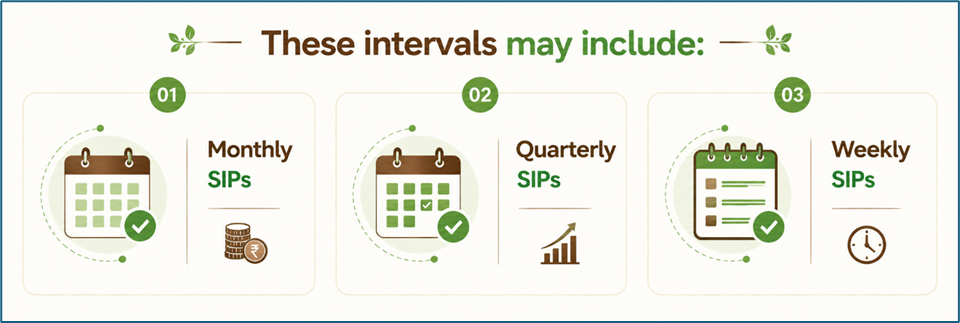
The invested amount purchases mutual fund units based on prevailing Net Asset Value (NAV).
When market prices are lower, investors receive more units, while higher market prices result in fewer units being purchased.
This process is commonly referred to as rupee cost averaging.
Understanding the Power of Compounding
Compounding refers to the process where investment returns potentially generate additional returns over time.
Long-term investing horizons may amplify the impact of compounding.
For example, if an investor contributes ₹10,000 monthly for 20 years:
₹10,000 × 12 × 20 = ₹24,00,000
Actual investment outcomes may vary depending on:
- Market conditions
- Fund performance
- Economic cycles
- Investment duration
- Asset allocation
Compounding benefits generally become more visible over longer investment periods.
Benefits of SIP Investing
SIP investing may offer several potential advantages for long-term investors.
- Financial Discipline
Regular investing through SIPs may encourage disciplined saving and investing habits.
- Rupee Cost Averaging
Since investments occur at different market levels, SIPs may help average out investment costs over time.
This may reduce the impact of short-term market volatility.
- Flexibility
SIPs allow investors to start investing with relatively small amounts depending on mutual fund requirements.
- Long-Term Wealth Creation Potential
Long investment horizons combined with disciplined investing may contribute toward long-term wealth accumulation.
- Reduced Emotional Investing
Automated investing may help reduce emotionally driven investment decisions during market fluctuations.
Important Factors Investors Should Consider Before Starting SIPs
Investors often evaluate several factors before starting SIP investments.
- Financial Goals
Investments should ideally align with specific financial objectives such as:

- Risk Profile
Investment allocation should remain consistent with an individual’s:
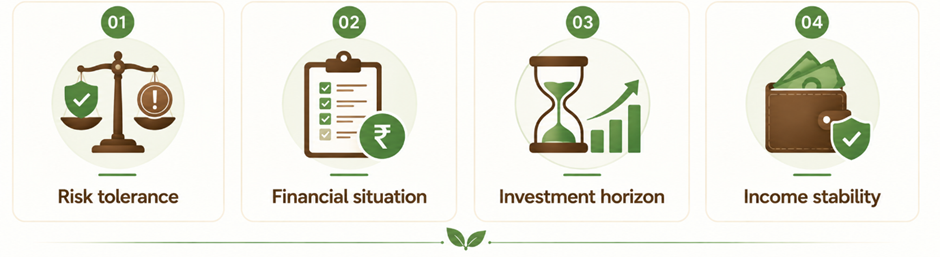
Different mutual fund categories carry different levels of market risk.
- Investment Duration
Longer investment horizons may provide greater opportunities for compounding and managing short-term market volatility.
- Asset Allocation
Diversification across equity, debt, and hybrid funds may influence overall portfolio risk and return characteristics.
- Fund Category Selection
Different mutual fund categories may suit different investment objectives.
Examples include:
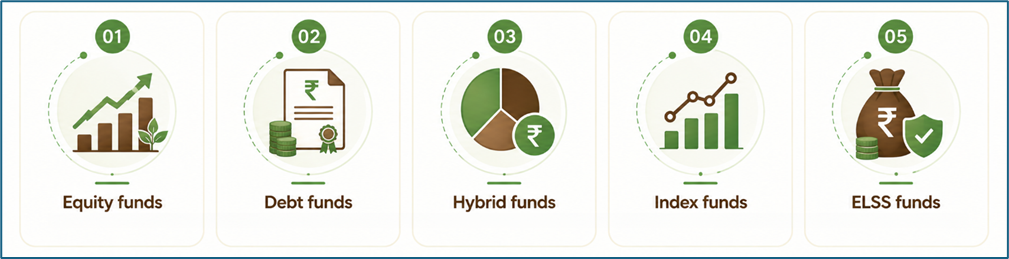
Investors often evaluate fund objectives, risk levels, and historical consistency before investing.
Common Mistakes SIP Investors Should Avoid
Despite growing popularity, investors may sometimes make avoidable mistakes while investing through SIPs.
- Stopping Investments During Market Volatility
Equity markets may experience short-term fluctuations, which are a natural part of long-term investing.
Discontinuing SIPs during market declines may impact long-term investment goals.
- Unrealistic Return Expectations
Markets do not generate fixed returns every year.
Investment performance may vary depending on economic and market conditions.
- Lack of Goal Planning
Investing without clearly defined financial objectives may lead to inconsistent investment decisions.
- Ignoring Risk Tolerance
Selecting investments inconsistent with personal risk appetite may create financial stress during volatile market conditions.
- Frequently Changing Investment Strategy
Frequent switching between funds or reacting emotionally to short-term market movements may impact long-term investing discipline.
Key Factors That Can Influence SIP Outcomes
Several factors may influence long-term SIP performance.
Market Performance
Equity market movements can significantly influence investment returns.
Investment Duration
Longer investment periods may provide greater opportunities for compounding.
Asset Allocation
Portfolio diversification across asset classes can influence overall investment risk.
Fund Category
Different fund categories perform differently across market cycles.
Economic Environment
Interest rates, inflation, global events, and economic growth can affect market performance.
SIP Investing and Market Volatility
Market volatility is a natural characteristic of equity investing.
Some investors view market corrections as opportunities for SIP investments because lower NAVs may allow accumulation of additional units.
However, market movements remain unpredictable and investment returns are never guaranteed.
SIPs vs Lump Sum Investing
|
Feature |
SIP Investing |
Lump Sum Investing |
|
Investment Style |
Periodic Investing |
One-Time Investment |
|
Market Timing Risk |
Potentially Lower |
Potentially Higher |
|
Suitable For |
Regular Income Earners |
Investors With Large Capital |
|
Investment Discipline |
Encourages Regular Investing |
Depends on Investor Behaviour |
|
Volatility Impact |
Averaged Over Time |
Immediate Exposure |
Both approaches may suit different financial situations and investor preferences.
Are SIPs Risk-Free?
SIPs themselves do not eliminate market risk.
Since SIPs invest in market-linked mutual funds, investment values may fluctuate depending on market performance.
Potential risks include:
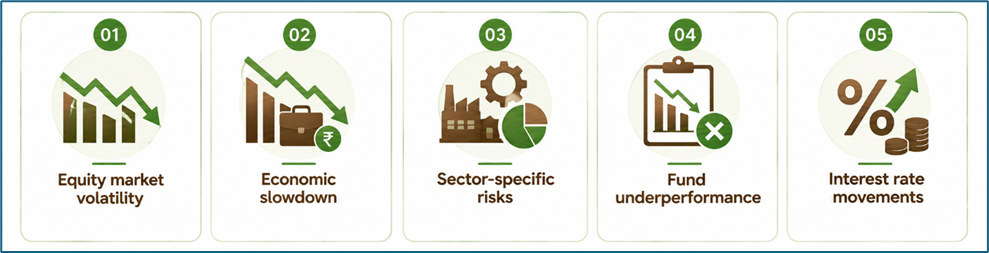
Investors should understand scheme-related risks before investing.
Final Thoughts
SIP investing is often considered a disciplined approach toward long-term investing and financial planning.
Regular investing, long-term commitment, financial discipline, and realistic expectations are frequently viewed as important aspects of successful investing behaviour.
While SIPs may help investors participate in long-term market growth, actual investment outcomes can vary depending on market conditions, asset allocation, investment duration, and individual financial circumstances.
Investors should conduct independent research and consult qualified financial professionals before making investment decisions.
Frequently Asked Questions (FAQs)
What is SIP investing?
A SIP allows investors to invest fixed amounts regularly into mutual fund schemes.
Can SIPs help build long-term wealth?
Some investors use SIPs as part of long-term financial planning and wealth creation strategies.
Are SIP returns guaranteed?
No. SIP investments are market-linked and returns are not guaranteed.
What is rupee cost averaging?
Rupee cost averaging refers to investing regularly across different market levels, potentially averaging investment costs over time.
Can investors stop SIPs anytime?
Yes. Investors generally have flexibility to stop or modify SIPs depending on mutual fund policies.
Is SIP suitable for beginners?
Many beginners consider SIPs because of disciplined investing features and relatively lower starting investment requirements.
What factors affect SIP returns?
Investment duration, market performance, asset allocation, fund category, and economic conditions may influence SIP outcomes.