

India’s electric mobility transition is rapidly moving beyond passenger cars and two-wheelers, with electric buses emerging as a strong alternative in the country’s growing intercity travel segment.
As fuel prices remain volatile and travel demand rises, several mobility operators are increasingly shifting toward electric bus fleets to improve operating efficiency, reduce fuel dependency, and attract cost-conscious travelers.
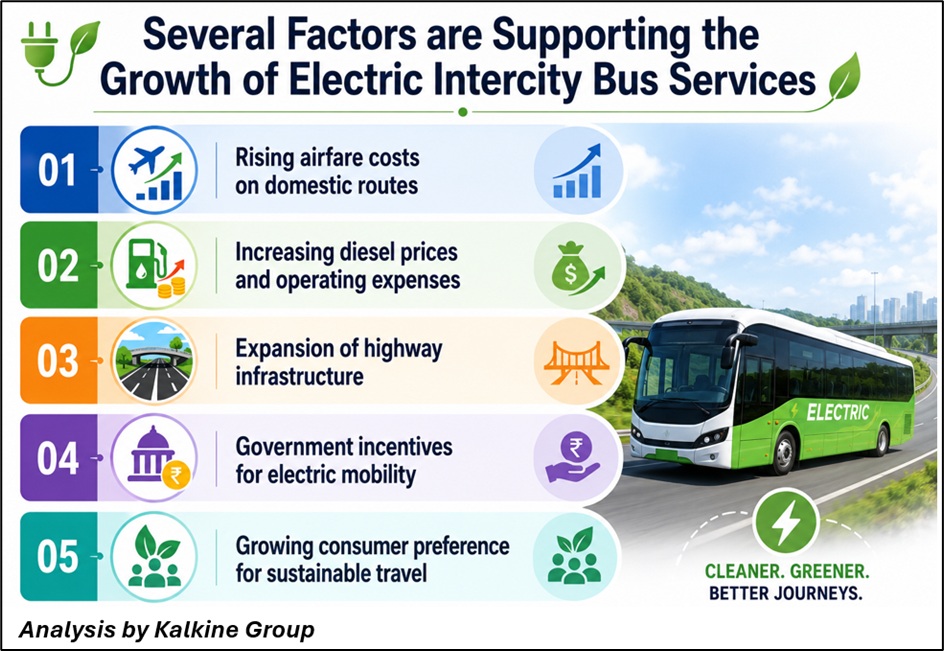
The trend is gaining momentum at a time when high airfares and rising diesel costs are making road travel more attractive for both operators and passengers.
EV Buses Gain Competitive Advantage
Electric bus operators believe the current fuel cost environment is creating a significant advantage for EV-based transportation models.
Unlike conventional diesel-powered fleets, electric buses offer relatively stable operating economics due to lower energy and maintenance costs. Companies operating EV fleets say this helps improve cost predictability while supporting long-term profitability.
The shift is particularly visible in premium intercity routes where passengers are increasingly seeking comfortable, tech-enabled, and affordable travel alternatives.
Intercity Travel Demand Continues to Rise
India’s domestic travel sector has witnessed strong post-pandemic recovery, with intercity mobility demand expanding across business, tourism, education, and religious travel segments.
Operators are also focusing on premium onboard experiences including sleeper cabins, digital booking systems, charging ports, and improved ride comfort to attract travelers.
Government Policies Supporting EV Adoption
India’s policy push toward clean mobility continues to support electric bus adoption across both public and private transport systems.
State governments and central authorities are actively encouraging EV deployment through subsidies, battery incentives, charging infrastructure expansion, and fleet electrification targets.
The intercity electric bus segment is expected to benefit further as battery technology improves and charging networks expand along major highway corridors.
EV Ecosystem Stocks Could Stay in Focus
The growing adoption of electric buses may support multiple segments within India’s EV ecosystem, including battery manufacturers, charging infrastructure providers, auto OEMs, and component suppliers.
Investors may continue tracking companies linked to India’s EV transition, including:
- Olectra Greentech Limited (NSE:OLECTRA)
- JBM Auto Limited (NSE:JBMA)
- Tata Motors Limited (NSE:TATAMOTORS)
- Ashok Leyland Limited (NSE:ASHOKLEY)
- Exide Industries Limited (NSE: EXIDEIND)
- Amara Raja Energy & Mobility Limited (NSE:ARE&M)
- Uno Minda Limited (NSE:UNOMINDA)
EV Buses Could Reshape Intercity Mobility
Industry experts believe electric buses could gradually transform India’s intercity transportation ecosystem by offering cleaner, quieter, and more cost-efficient travel solutions.
Fleet operators adopting electric mobility early may gain long-term advantages through lower operating costs, stronger sustainability positioning, and improved passenger experience.
At the same time, expansion of charging infrastructure and battery technology will remain critical for large-scale adoption.
Conclusion
India’s intercity electric bus market appears to be entering a strong growth phase as rising fuel prices, supportive government policies, and changing consumer preferences accelerate EV adoption. With improving economics and increasing infrastructure development, electric buses could become a major long-term growth driver within India’s broader EV ecosystem.
FAQs
- Why are electric buses becoming popular in intercity travel?
Electric buses offer lower operating costs, reduced fuel dependency, and cleaner transportation alternatives compared to diesel buses.
- How do rising fuel prices benefit EV bus operators?
Higher diesel prices increase operating costs for traditional fleets, while EV operators benefit from relatively stable electricity-based operating expenses.
- Which EV stocks could benefit from electric bus growth?
Companies such as Olectra Greentech, JBM Auto, Tata Motors, Ashok Leyland, and battery manufacturers may remain in focus.